


WHEN TEA BECOMES THE LANGUAGE OF FLAVOUR
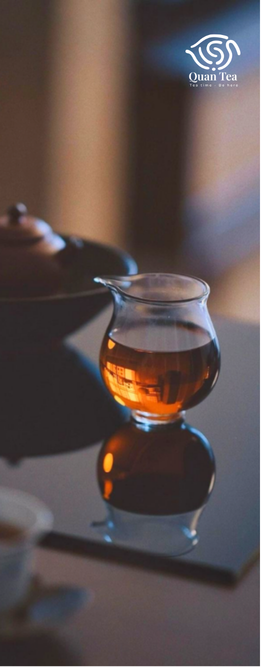
WHEN TEA BECOMES THE LANGUAGE OF FLAVOUR
The Science of Tea Pairing and the Art of Elevating Plant-Based Cuisine
For centuries, wine has been the unquestioned companion to fine dining. From Burgundy paired with wild mushrooms to Champagne served alongside delicate seafood, the art of pairing has long been woven into the fabric of haute cuisine. Yet in recent years, a quieter movement has begun to emerge across Michelin-starred restaurants and contemporary dining destinations around the world. Increasingly, specialty tea is taking its place at the table—not as an alternative to wine, but as a sophisticated medium capable of expressing flavour with remarkable nuance.
This shift reflects more than changing drinking habits. It signals a broader evolution in the way we think about taste itself. In today’s dining culture, beverages are no longer considered supporting elements served alongside the meal. Instead, they have become integral components of the overall sensory composition, capable of shaping how every course is perceived. As more diners seek refined, alcohol-free experiences without compromising complexity, tea pairing is redefining what luxury dining can look and feel like.
A great tea does not compete with the dish.
It prepares the palate to appreciate it more deeply.
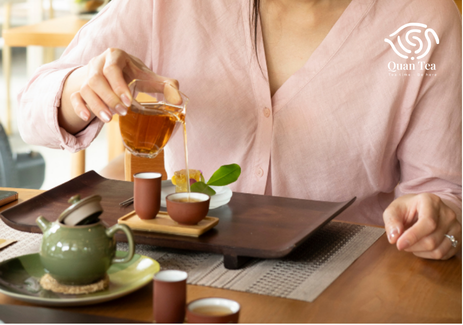
At Quan Tea, tea has never been treated as the conclusion of a meal. Every infusion is selected to converse with the cuisine, guiding the palate while establishing the rhythm of the entire tasting journey. Tea pairing therefore begins long before the first cup is poured. It forms part of the creative process itself, influencing the menu from its earliest conception.
Behind this philosophy lies a fascinating body of sensory science.
One of tea’s most remarkable characteristics comes from its naturally occurring polyphenols, commonly known as tannins. While tannins are often associated with the gentle astringency that lingers on the tongue, their role extends far beyond flavour alone. As these compounds interact with saliva, they create a subtle cleansing sensation that reduces residual oils coating the palate, allowing taste receptors to regain sensitivity. In practical terms, each sip refreshes the mouth, enabling diners to perceive the next layer of flavour with greater clarity.
In fine dining, this phenomenon is known as palate cleansing. Wine has traditionally achieved this through acidity, alcohol, and tannic structure. Tea, however, accomplishes a remarkably similar effect with considerably greater delicacy. Free from alcohol and naturally lower in intensity, tea refreshes the palate without overwhelming it, creating gentle pauses that prepare diners for each successive course.
This quality makes tea an exceptionally compelling companion to plant-based cuisine.
Unlike dishes built around animal proteins or heavy fats, contemporary vegetable-focused cooking celebrates subtlety. The quiet sweetness of seasonal roots, the earthy richness of mushrooms, the creamy elegance of legumes and nuts, and the mineral freshness of leafy greens all rely upon balance rather than intensity. Such delicate flavours can easily be overshadowed by beverages with dominant alcoholic character.
Tea, by contrast, possesses aromatic complexity while remaining remarkably restrained. Its purpose is not to dominate the plate, but to illuminate it.
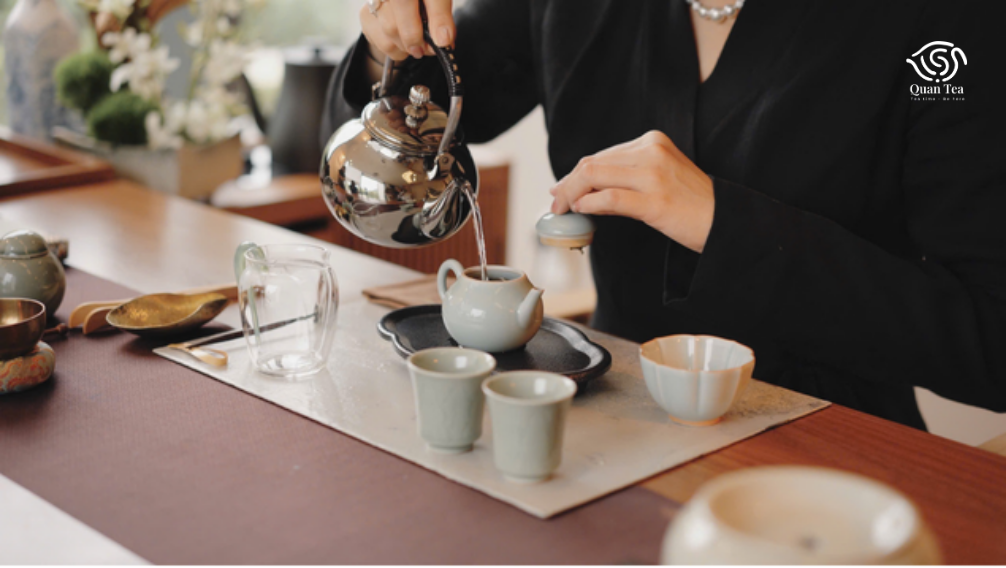
Tea pairing is not about replacing wine. It is about discovering a different language of flavour.
A lightly oxidised oolong may enhance the roasted nuttiness of grains, seeds, and charcoal-grilled mushrooms through its naturally toasty aromas. A refined white tea, with its soft sweetness and floral finish, brings harmony to dishes centred around steamed vegetables and delicate herbs. Meanwhile, a fuller-bodied black tea offers enough structure to accompany slow-roasted ingredients, echoing the caramelised notes and natural umami developed through careful cooking.
Tea pairing is therefore never about finding a tea that simply “matches” a dish. It is about creating resonance. The finest pairings allow both elements to reveal qualities that might otherwise remain unnoticed. Together, they become greater than the sum of their individual parts.
This also explains why the same dish can feel entirely different when accompanied by another tea. A floral infusion may lend greater lightness and elegance to a course, while a mineral-rich mountain tea can emphasise savoury depth and natural umami hidden within the ingredients. Rather than altering the food itself, tea changes the lens through which flavour is experienced.
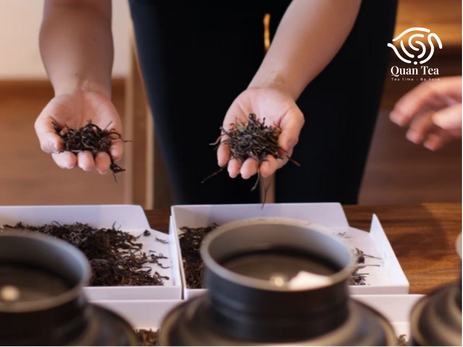
Within Quan Tea’s Research & Development kitchen, every course is therefore evaluated alongside numerous teas, brewed at different temperatures and infusion times. A difference of only a few degrees—or an additional thirty seconds of steeping—can transform tannic structure, aromatic expression, and lingering finish. Whenever the tea changes, the pairing must be reassessed from the beginning.
The process demands patience comparable to developing the dishes themselves. No tea is chosen simply because it delivers immediate impact. Instead, every infusion is selected for its ability to accompany an entire course, evolving naturally from the first bite to the final sip. Tea is never intended to outshine the cuisine, just as the cuisine is never designed to compete with the tea.
The objective is harmony. This philosophy is one reason tea pairing is increasingly recognised as one of the most compelling alternatives to wine in contemporary fine dining. Beyond supporting a growing preference for alcohol-free dining, specialty tea offers an astonishing spectrum of aromas rarely found within a single beverage category. Floral orchids, mountain minerals, honeyed sweetness, ripe fruits, gentle smoke, roasted grains, forest herbs, and subtle spices can all emerge from carefully crafted teas, creating extraordinary opportunities for culinary dialogue. Yet perhaps the greatest contribution of tea pairing lies beyond flavour alone.
Unlike wine, which often remains on the table throughout the meal, each infusion is brewed and presented with intention. Every cup creates a natural pause between courses—a brief moment for reflection, conversation, and sensory renewal. These intervals allow aromas to settle, textures to linger, and flavours to unfold gradually before the next chapter begins.
Tea, in this sense, becomes more than a beverage.
It becomes the quiet architecture of the dining experience itself.
Perhaps this is why tea pairing cannot simply be described as the practice of serving tea with food. It is the thoughtful design of a complete sensory journey, where every infusion enhances texture, clarifies flavour, and deepens emotional engagement with each course.
As fine dining continues to embrace sustainability, wellness, and a closer relationship with nature, tea offers an entirely new vocabulary for gastronomy. It speaks softly, never demanding attention, yet possesses the remarkable ability to transform the way we perceive a meal.
For sometimes, elevating flavour is not about introducing something new.
It is about allowing what is already there to be experienced more completely.
“Sometimes the finest pairing is not the one that adds flavour, but the one that reveals it.”